
For Healthcare Professionals & Patients
Your Patients Need More Than a Treatment Plan. They Need Support Bringing It to Life.
You provide the medical expertise. We help patients build healthier habits that fit their lives.
You know what your patients need to do to better manage chronic conditions. But between short appointments, demanding schedules, and competing medical priorities, there isn't always enough time to help them turn your recommendations into sustainable lifestyle changes.
Founded on Melinda Penny-Washington's Ancestral Wisdom Health Model, Returning to Your Roots is designed to complement clinical treatment with culturally responsive nutrition and wellness education.
Whether your patients are deeply connected to their ancestry, discovering forgotten traditions, or starting fresh with healthier everyday habits, our mission is to meet them where they are.
You don't have to do it alone. And neither do your patients.
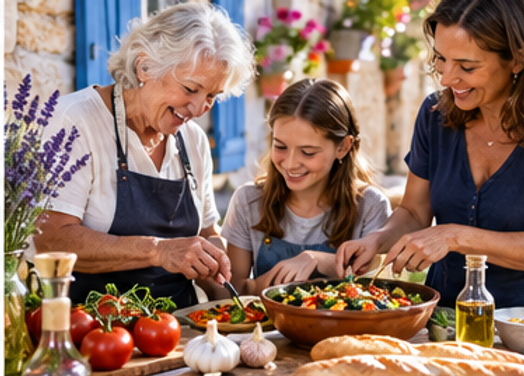

For Healthcare Professionals & Patients
That's where Returning to Your Roots™ comes in.
Founded on Melinda Penny-Washington's Ancestral Wisdom Health Model, Returning to Your Roots is designed to complement clinical treatment with culturally responsive nutrition and wellness education.
Whether your patients are deeply connected to their ancestry, discovering forgotten traditions, or starting fresh with healthier everyday habits, our mission is to meet them where they are.
You Have the Knowledge. Your Patients Need More Time and Support to Use It.
You became a healthcare professional to make a difference in people's lives. But the reality of modern healthcare is demanding.
The appointments are short. The conditions are complex. The documentation never ends. And every day, you see patients who are struggling to manage diabetes, hypertension, cardiovascular disease, and other chronic conditions.
You explain the treatment plan.
You prescribe the medication.
You discuss nutrition, exercise, and stress management.
The problem isn't simply a lack of information. It's the distance between medical recommendations and everyday living.
And clinicians cannot be expected to close that distance alone.
A Different Kind of Support Is Possible
Imagine knowing your patients have access to additional guidance that respects their backgrounds, acknowledges their circumstances, and helps them develop practical wellness habits.
That's the partnership Returning to Your Roots was created to explore.
And then your patient goes home—back to the same routines, the same food choices, the same pressures, and sometimes the same confusion.

"I don't know how to eat healthy without giving up my family's food."
"I've tried changing my diet, but I can't stick with it."
"Nobody in my family taught me how to cook this way."
"I don't know anything about my ancestry."
"I don't have the time, money, or energy to completely change my life."
"I want to feel better. I just don't know where to begin."

Introducing Returning to Your Roots
Where Evidence-Based Healthcare Meets Cultural Wisdom and Everyday Wellness
Returning to Your Roots is a culturally responsive health education program developed around a simple understanding:
People are more likely to engage with a wellness plan when it makes sense in the context of their lives.
We explore the nourishing traditions, daily rituals, natural environments, and community connections that can help patients build confidence in caring for themselves. This will help build self-efficacy and improve health outcomes.
And for those who have no connection to their ancestry?
That's perfectly fine.
Patients don't have to know their cultural background or family traditions to discover meaningful ways to nourish themselves.
We help them begin with what they know, explore what's possible, and create healthier habits that feel manageable.


The Four Pillars of Ancestral Wisdom
Ancient Knowledge. Modern Understanding. Empowered Patients.
Discover a More Connected Approach to Whole-Person Wellness.
Developed by Melinda Penny-Washington, RDN, CDCES, the Ancestral Wisdom Health Model integrates four pillars that help patients explore meaningful, sustainable approaches to wellness.
01
Pillar 01 — Food as Medicine
Nourishment Rooted in Culture, Choice, and Confidence.
Explore culturally meaningful, nutrient-rich foods and ways to adapt familiar dishes to evidence-based nutrition recommendations
Across various cultures, including African, Latino, Asian, Pacific Islander, Native American, and European communities, traditional foods can provide opportunities for personalized nutrition education.
Examples include:
African and African diaspora greens, legumes, and grains.
Latino bean, corn, and squash dishes.
Asian vegetable, lentil, and grain preparations.
Pacific Islander traditions involving foods such as taro, breadfruit, and locally available vegetables.
Native American foodways involving corn, beans, squash, wild rice, and other foods specific to individual Tribal communities.
European traditions including Irish barley soups, Norwegian fish and whole grains, and French lentil dishes.
The Goal
Empower patients to make informed food choices without feeling they must abandon their identities.
02
Pillar 02 — Practising Rituals
Create Healthy Habits That Feel Meaningful.
From shared family meals and mindful eating to enjoyable movement, reflection, and restorative routines, rituals can help healthy behaviors become part of everyday life.
Patients explore practices aligned with their interests, abilities, values, and healthcare recommendations.
The Goal
Help patients feel confident establishing sustainable wellness routines.
03
Pillar 03 — Nature Therapy
Reconnect With Nature in Ways That Work for You.
Explore gardening, accessible outdoor spaces, walking, and other appropriate experiences that encourage movement, relaxation, and connection with the natural environment.
Nature-based wellness opportunities should remain inclusive of patients with diverse physical abilities and living circumstances.
The Goal
Support patients in identifying enjoyable, accessible activities that contribute to well-being
04
Pillar 04 — Belonging
Wellness Doesn't Have to Happen in Isolation.
Community, family, elders, social groups, and supportive relationships can play important roles in health and well-being.
Patients are encouraged to identify meaningful sources of connection, including chosen communities when ancestral connections are unknown or unavailable.
The Goal
Support patients in identifying enjoyable, accessible activities that contribute to well-being
Many Cultures. Many Traditions. One Shared Human Need: To Be Well.
Your Culture Matters. Your Story Matters. Your Starting Point Matters.
Every patient brings a unique story into the healthcare experience.
Some know the traditions of their ancestors.
Others have lost connections to their cultural heritage through migration, assimilation, displacement, or family circumstances.
Some simply grew up eating the Standard American Diet and have never explored another way of nourishing themselves.

Returning to Your Roots welcomes them all.
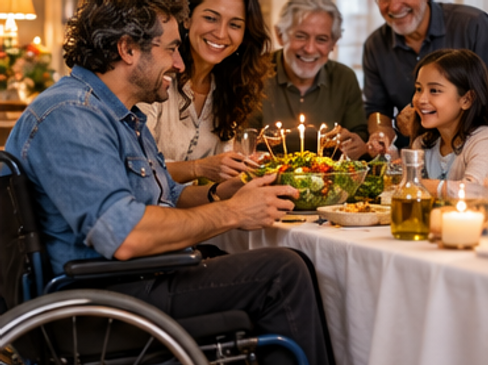
Latino Heritage
Rediscover possibilities within familiar foods such as beans, corn, squash, vegetables, and traditional family recipes.
Explore enjoyable activities like walking and social dancing when they align with a patient's interests.

Asian Heritage
Explore the rich diversity of Asian foodways, including South Asian lentil dishes, East Asian vegetable preparations, and Southeast Asian soups.
Consider mindful eating, appropriate movement practices, and other personally meaningful routines.
Explore the healing power of community connections, meaningful cultural traditions, and time-honored wellness practices that nurture physical, emotional, and spiritual well-being.

African Heritage
Celebrate the diversity of African and African diaspora food traditions, including greens, legumes, whole grains, and vegetable-based dishes.
Explore community support, meaningful rituals, and culturally familiar approaches to wellness.

European Heritage
Rediscover overlooked traditions of nourishment and daily living:
-
Irish: Oats, barley, vegetable soups, cabbage, and seasonal cooking.
-
Norwegian: Fish, rye, berries, whole grains, and outdoor recreation.
-
French: Lentil dishes, seasonal vegetables, thoughtful meal preparation, and shared mealtimes.
-
Italian, Greek, Polish, and Scottish: A wide range of legumes, greens, grains, vegetables, and family food traditions.

The Patient Who Doesn't Know Their Roots
"I don't know where my family came from. We just ate regular American food."
— We hear you.
— You don't need an ancestry report.
— You don't need a family cookbook.
— And you don't need to become someone else to begin improving your health.
You can discover new nutritious foods, learn simple cooking skills, create enjoyable routines, and establish traditions that the next generation may one day call their own.
You don't have to know your roots to grow healthier ones.
From Feeling Overwhelmed to Feeling Empowered
What Can Change When Patients Have Meaningful Lifestyle Support?

Instead of
"I have to stop eating everything I love."

Explore:
"I can learn ways to enjoy familiar foods that fit my health goals."
Instead of
"I don't have the willpower to stay healthy."
Explore:
"I can build practical habits around my preferences and routines."
Instead of
"I don't know anything about my ancestry."
Explore:
"I can discover new nourishing traditions and create my own."
Instead of
"My doctor told me what to do, but I'm overwhelmed."
Explore:
I have additional resources to help me understand and apply my treatment recommendations."
Instead of
I have to do this alone."
Explore:
I can find people, practices, and resources that support my wellness journey."
Clinicians, You Don't Have to Do It Alone.
A Practical Complement to the Care You Already Provide
Your time is valuable. Your expertise is essential. And your patients often need support between appointments. Returning to Your Roots is being developed to help address that need.
1
YOU IDENTIFY
Recognize a patient who may benefit from additional culturally responsive nutrition or wellness education.
2
YOU REFER
Introduce Returning to Your Roots as a supplemental resource. Patients participate voluntarily.
3
WE HELP THEM EXPLORE
Guide patients in examining food preferences, cultural interests, practical barriers, wellness routines, and community resources.
4
PATIENTS BUILD HEALTHIER HABITS
Support the selection of realistic lifestyle goals that complement their medical treatment plans.
5
WE SUPPORT CONTINUITY
Where permitted, with patient authorization and an agreed process, appropriate updates and goals may be shared with the clinical team.
Your Role Remains Clear
Clinicians, You Don't Have to Do It Alone.
You continue to manage diagnosis, treatment, medication, and medical monitoring.Returning to Your Roots focuses on supplemental wellness education and patient empowerment within its defined services.

Meet Melinda Penny-Washington, RDN
A Healthcare Professional Who Understands Both Sides of the Examination Table
Melinda's mission is deeply personal.
While living with irritable bowel syndrome, she experienced the limitations of a healthcare journey focused heavily on testing and treatment without sufficient attention to the role of stress, nutrition, and daily living.
Her search for answers led her to explore food, cultural rituals, community support, and mind-body practices alongside conventional healthcare.
She subsequently pursued professional training in nutrition and diabetes care and spent years studying ancestral and Indigenous wellness traditions.
From this experience, she developed the Ancestral Wisdom Health Model, rooted in four pillars: Food as Medicine, Practicing Rituals, Nature Therapy, and Belonging.
Today, her mission is to help create a more connected approach to healthcare—one that honors cultural wisdom while respecting clinical science.
Her Guiding Belief
The wisdom of our ancestors and the advancements of modern medicine do not have to compete. They can inform a more compassionate approach to supporting the whole person.
Learn the Approach. Explore the Partnership.
Returning to Your Roots: The Clinician Education Series
Our proposed seven-module educational series introduces healthcare professionals to culturally responsive wellness education and its potential role in supporting chronic disease management.

What You'll Explore
01
The Patient You See. The Story You Have Missed.
Understanding the human experience behind the diagnosis.
03
The Four Pillars of Ancestral
Wisdom
A framework for food, rituals, nature, and belonging.
05
Clinicians Don't Have to Do It Alone
Introducing a collaborative approach to patient support.
02
The Healer in Your Family Tree
Exploring cultural wisdom and the loss of traditional practices.
04
Many Cultures. Many Pathways to Wellness.
Explore culturally relevant wellness practices across various cultures and communities, recognizing that every patient's experiences, preferences, and cultural identity are unique.
06
From Referral to Real-Life Change
Translating recommendations into practical lifestyle goals.
07
The Future of Healing Is Collaborative
Bringing the lessons together and taking meaningful action.